.png)
About Us

Institutional History
The Marshallese Educational Initiative is a 501 (c) (3) not-for-profit organization located in Springdale, Arkansas, where the highest concentration of Marshallese reside outside of the home islands.
MEI was founded in July 2013 by non-Marshallese educators, Dr. Jessica A. Schwartz (N.Y.U. 2012), Associate Prof. of Musicology at UCLA, and Dr. April L. Brown (U.A. 2006), Professor of History at NorthWest Arkansas Community College, and Marshallese community members, including former Consul General Carmen Chong Gum, to raise awareness of Marshallese history and culture and facilitate intercultural dialogue by blending academic research with community outreach.
MEI hosted its first event, Nuclear Remembrance Day 2014: Reflect. Honor. Educate., at the Clinton Presidential Center in Little Rock, and its first grant was awarded by the Arkansas Humanities Council / National Endowment for the Humanities in October 2013 for the Marshallese Oral History Project. The new organization also worked to raise educational attainment levels among Marshallese youth. In 2016, MEI offered its first local history, culture, and language class, hosted the Marshallese youth events, and received its first federal grant from the Office of Insular Affairs (Department of the Interior) to provide educational programming and videos to help Marshallese navigate life in Arkansas. In 2018 we established the country's first Marshallese Resource and Educational Center, a one-stop resource for Marshallese residents, and with OIA funding, hired a full-time Marshallese director and Marshallese staff members to conduct direct outreach. The organization also expanded its programming to raise awareness about and prevent domestic violence within the community, and began working with the University of Arkansas for Medical Sciences on a diabetes management program in the Marshall Islands.
In 2020, MEI’s work increased exponentially as the organization worked to mitigate the effects of the COVID-19 pandemic on the community. Marshallese (and other Pacific Islanders) were disproportionately affected compared to other ethnic groups in the United States. This vulnerability was due to several reasons: underlying health conditions (diabetes, cancer), employment in high-risk occupations (poultry industry workers were designated as essential workers), and multigenerational household living arrangements that made quarantine impossible. Due to the impact of COVID-19 on the community and with the generosity of local funders and federal resources, MEI expanded its programs again to include housing and utility assistance. Staff delivered food to families in quarantine and produced videos that shared how to prevent the spread of COVID-19 and encourage vaccination. As a result, the nonprofit's revenues increased from just under $300,000 in 2019 to $740,000 in 2020. Since then, MEI has continued to expand its work to address social determinants of health, particularly disparities in education and access to healthcare, and with a focus on addressing disability among Marshallese youth. MEI expanded its collaboration with UAMS on health equity, food sustainability, and maternal health, and began partnering with Heartland Regional Genetics to promote newborn screening. MEI also returned to work in the humanities, launching an ongoing project called Songs of Our Atolls, which brings together youth and elders to share stories and songs through traditional means of storytelling and music. The Songs’ project also helps ensure language preservation and educates Marshallese youth about their history, one that is not taught in US schools.
MEI has also been able to refocus our work on nuclear and climate issues. Benetick Kabua Maddison, named MEI’s Executive Director in 2022, has engaged the national and international community about the ongoing biological, ecological, and cultural consequences of the nuclear testing legacy and climate change on Marshallese lands and people. He and other staff members now frequently speak at the United Nations and at international venues, serve as members of working groups, and consult on international policy, including at the Human Rights Council.
Today, as we enter our 14th year of service, MEI staff continue to help Marshallese residents navigate life in Arkansas and the United States. We offer translation and interpretation services, and classes and trainings for non-Marshallese. As a proud intercultural organization, we value difference as a strength, and embrace ippān doon (togetherness) as we continue to promote and facilitate dialogue and foster positive social change.
Meet The Staff
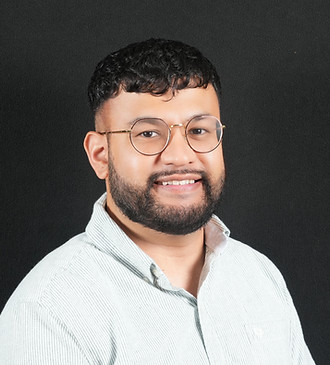
Benetick Kabua Maddison
Executive Director & CEO
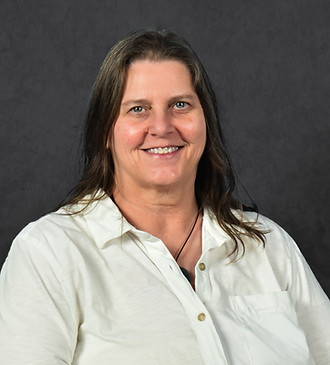
April L. Brown, PhD
Operations Director

Carlnis Jerry
Outreach Coordinator

Corinne Salter, PhD
Project Consultant
_edited.jpg)
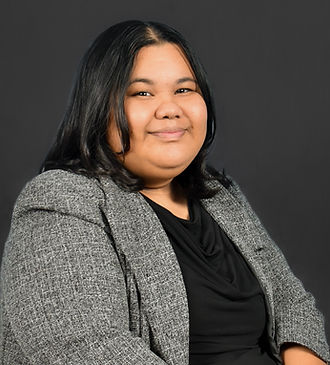
Marcina Langrine
Operations and Programs Coordinator
_edited.jpg)
Marino Morris
Media Coordinator and Project Specialist
_edited.jpg)
Matthew John
Project Specialist
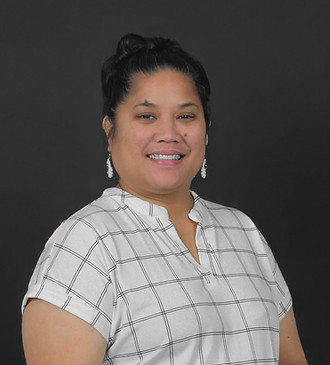
Molina "Mia" Bien
Outreach Assistant
Meet The Advisors

Jessica A. Schwartz, PhD
Academic Advisor
.jpg)
Tina Stege
International Liaison
Meet The Board
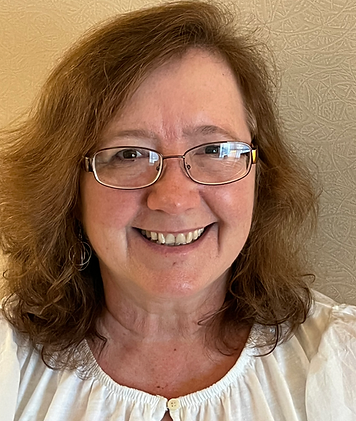
Lori Williamson
President

Sevin Gallo, PhD
Secretary
_JPG.jpg)
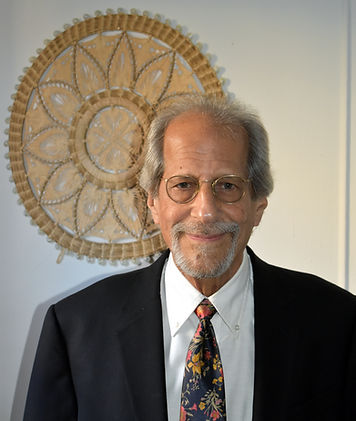
Glenn Alcalay
Member

Honorable Anjanette Davis-Anjel
Consul General; Ex-officio Member

Wana Bing
Member

Paul Lokebol Swington
Member